Britain is home to a wide range of leather goods brands, from established names with long histories to brands that incorporate contemporary design.
This time, I’ll introduce five of them: Smythson, Ettinger, Aspinal of London, Tusting, and Swaine London.
Each brand has its own background and history of how it became involved with leather goods and developed its expertise over time. Learning about these histories can offer a different perspective on their collections today.
Smythson
From Its Founding to Stationery
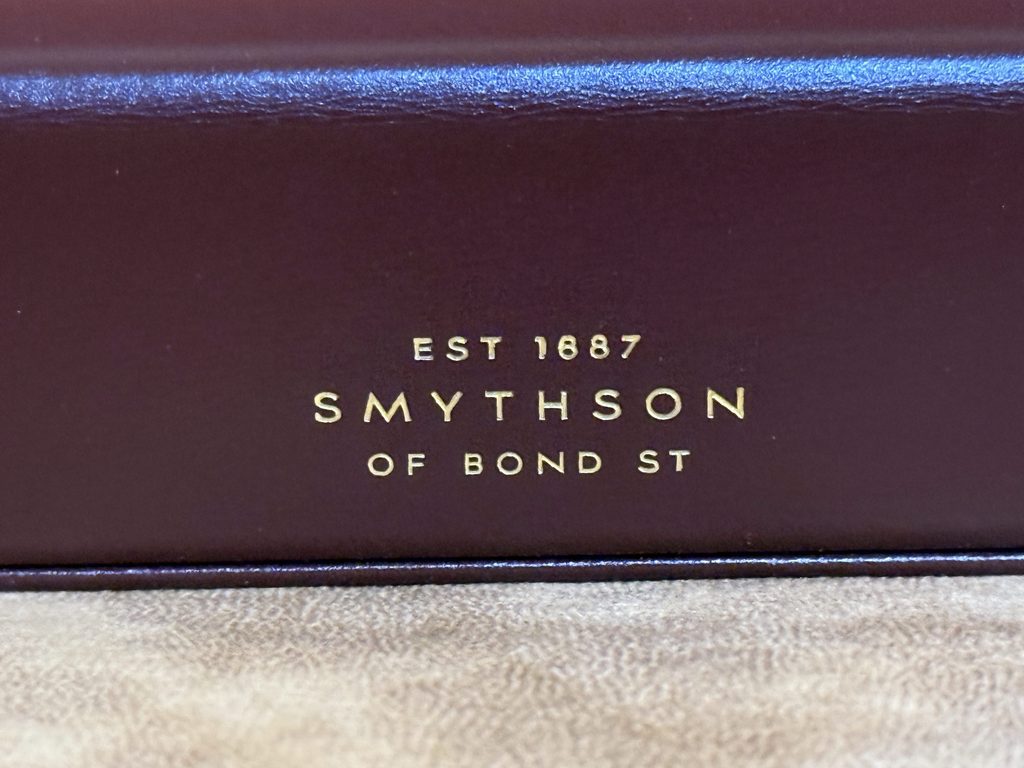
Smythson was founded in 1887 by Frank Smythson on Bond Street in London.
It originally began as a shop selling stationery and gifts.
In the 1890s, Smythson began producing stationery for use at Queen Victoria’s residences.
In 1908, the company introduced the “Panama Diary,” designed to be carried with you.
It remains one of Smythson’s signature products, and the name continues to be used today.
Expanding into Leather Goods
When people think of Smythson, many may think of stationery.
At the same time, the brand now offers a wide range of leather goods, including wallets, card cases, and bags.
While Smythson’s history began with stationery, the brand now also offers an extensive collection of leather goods, forming part of the character of its collections today.
Throughout its long history, Smythson has continued to develop its brand identity through both stationery and leather goods.
Ettinger
Founded in London in 1934
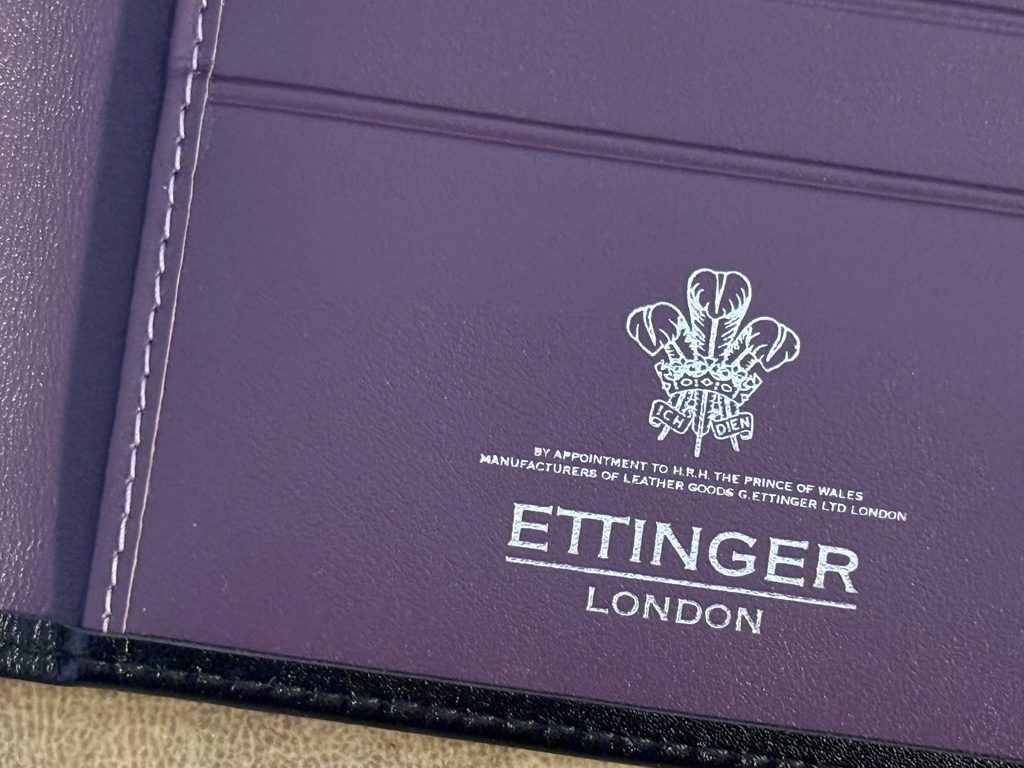
Ettinger was founded in London in 1934 by Gerry Ettinger.
Gerry Ettinger moved to London in 1933 and began working as the UK representative for several German leather goods manufacturers. He later became the exclusive UK agent for the German leather goods company Herion of Pforzheim and established an office on Regent Street.
In 1934, he established G Ettinger LTD, beginning with the production of leather suitcases.
The company later expanded its expertise into small leather goods.
From 1935, Ettinger commissioned Prestwick Luggage to manufacture briefcases, and in 1950, the company acquired a factory in Clerkenwell, a historic area of London associated with the leather goods industry.
The factory was located at 40 St John’s Street, where Ettinger significantly expanded its product range.
Royal Warrant and Ettinger Today
The granting of Royal Warrants was also an important milestone in Ettinger’s history.
In 1996, Ettinger was granted a Royal Warrant by Charles, then the Prince of Wales, and in 2024, a second Royal Warrant was granted by King Charles III.
The company remains family-owned and continues to manufacture leather goods in Britain, offering a wide range of products including wallets, card cases, belts, and bags.
The company’s tradition of manufacturing in Britain, which dates back to its founding, together with its collection centered around small leather goods, has shaped the Ettinger of today.
Aspinal of London
A Contemporary British Brand Founded in 2001
Aspinal of London was founded in 2001 by British entrepreneur Iain Burton.
The founder originally provided audio guides for museums including the National Gallery, the Louvre, and the Vatican. That business later developed into work involving museum souvenirs and gifts, and eventually led to the creation of leather stationery, which in turn became the foundation for the brand.
British Character and Contemporary Design
Aspinal of London offers collections that combine elements of British craftsmanship and tradition with contemporary design.
The brand offers a wide range of products centered around leather goods, including bags, wallets, card cases, travel goods, and men’s accessories.
It also offers designs incorporating color and personalization services, allowing for a different direction from the other brands introduced in this article.
With its relatively recent history, having been founded in 2001, the brand combines British craftsmanship and tradition with collections designed for modern lifestyles.
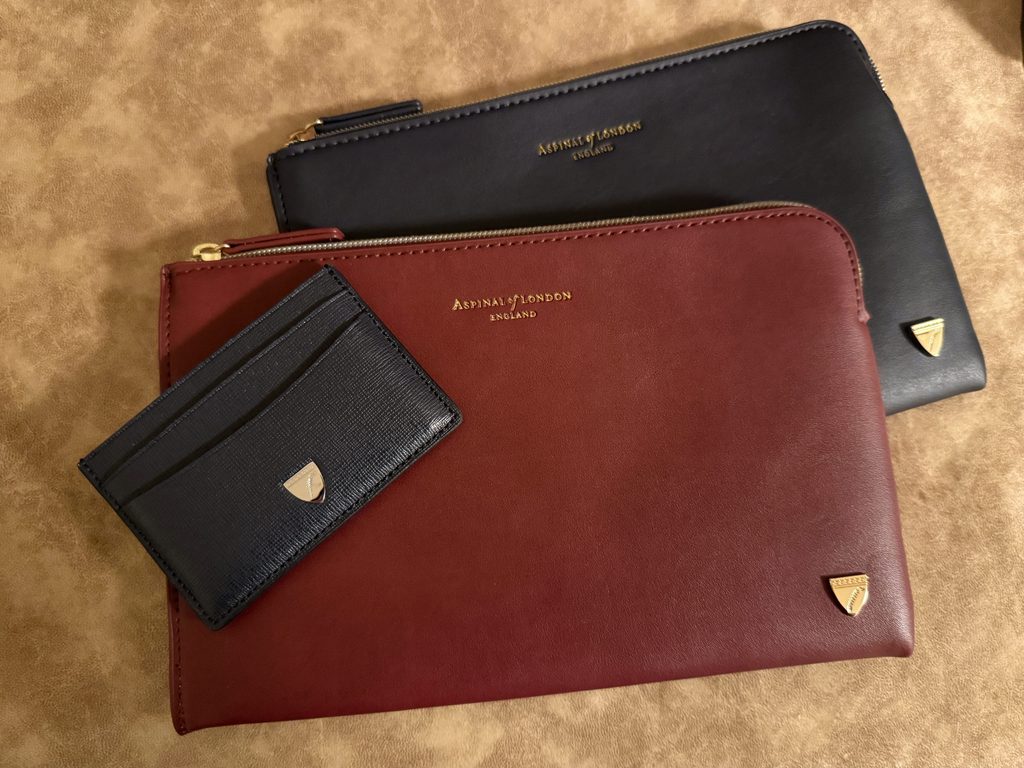
Photo to be added: Aspinal of London clutch bag (considering whether to introduce it, as it is a business-class amenity) and card case
Tusting
A Relationship with Leather Dating Back to 1875
Tusting’s history dates back to 1875.
Its founder, Charles Petit, began the business as a tanner, supplying leather to Britain’s growing footwear industry at the time.
The Tusting family continued to operate businesses connected to leather for five generations. The transition from working with leather itself to manufacturing leather goods over time is also an important part of understanding Tusting today.
From Tanner to Leather Goods Manufacturer
In the 1970s, changes in the British footwear industry led Tusting to shift the direction of its business.
By the late 1980s, the company began manufacturing premium leather goods itself, drawing on the knowledge and skills it had developed through its experience with leather.
Today, the company manufactures bags and small leather goods at its workshop in England.
Tusting is a brand whose history began with a business centered around leather and eventually led to the leather goods it produces today.
Swaine London
A History Dating Back to 1750
Swaine London’s history dates back to 18th-century London, and in 1798, James Swaine and Benjamin Slocock took over the business of John Ross.
John Ross was known at the time as a Royal Whip-Maker, and taking over his business led to the development of Swaine & Co.
From Equestrian Craftsmanship to a Diverse Collection
Swaine’s origins lie in the production of whips used for riding, horse-drawn carriages, and hunting.
Over time, the company expanded the range of products it offered, eventually producing a variety of items including bags, document cases, hats, and umbrellas.
As a company, it also incorporated several brands and businesses throughout its history, acquiring Thomas Brigg & Sons in 1943 and Herbert Johnson in 1996.
Today, Swaine offers not only leather goods but also bags, umbrellas, and hats. The company also provides customization, repairs, and restoration services, while its New Bond Street atelier is home to craftspeople who produce its products.
Understanding the company’s history, from its beginnings in whipmaking to the expansion of its business over time, makes it easier to understand the breadth of products Swaine offers today.
Conclusion
The five brands introduced here all offer British leather goods, but each has followed a different path.
Smythson expanded its collection from its origins in stationery into leather goods, while Ettinger developed around the manufacture of leather goods and small leather accessories.
Aspinal of London, as a relatively young brand, incorporates British craftsmanship and tradition into contemporary design.
Tusting has a long history with leather dating back to tanning and now manufactures bags and small leather goods. Swaine London, meanwhile, began with whipmaking in the 18th century and has since expanded into bags, umbrellas, hats, and other products.
Looking not only at a brand’s current collections but also at its background and history can offer a deeper understanding of how each brand has developed its relationship with leather
goods and how that history has shaped the collections we see today.