
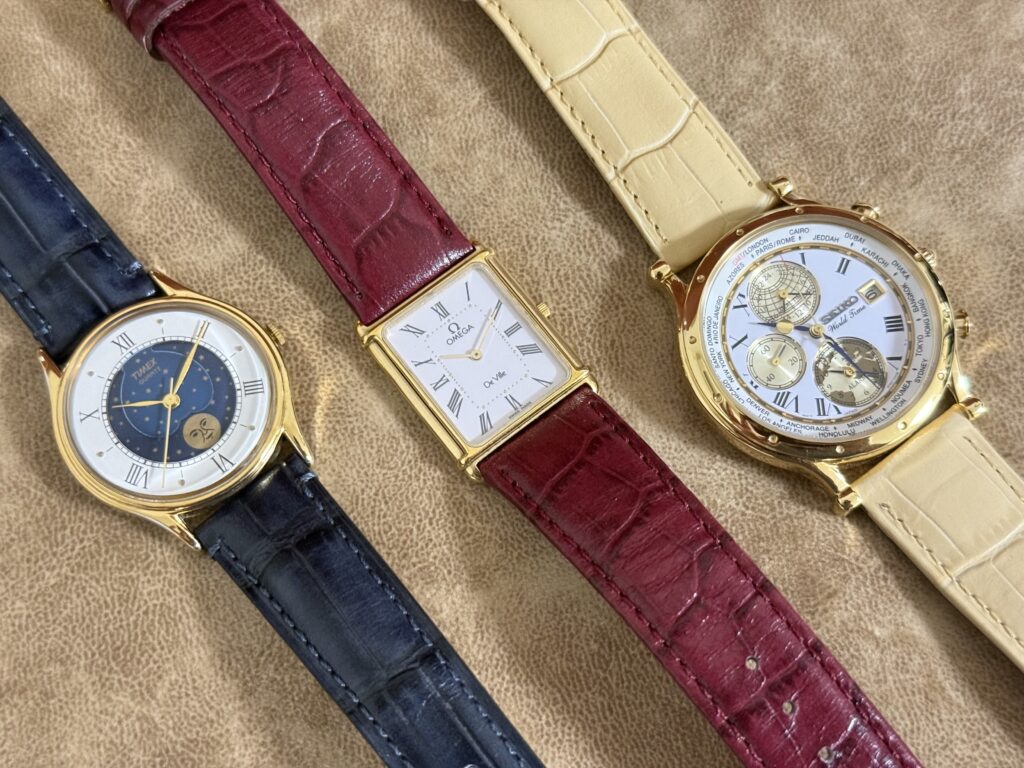
① Choose a watch that fits your purpose
Whether you prioritize practicality, design, price, or brand preference, clarifying what you’re ideally looking for and in what situations you want to use it will make it easier to find the right watch.
● For work or days off
● For daily use or only for special occasions
● Whether you want multiple watches for different purposes
After considering these points, explore options that match your preferred colors, shapes, and style.
② Mechanical or quartz This is a point many people struggle with when choosing their first watch.
● Mechanical: offers a sense of traditional craftsmanship and requires regular maintenance.
● Quartz: highly accurate, easy to use, and requires less maintenance.
Mechanical watches are broadly divided into two types: “manual-wind” and “automatic.”
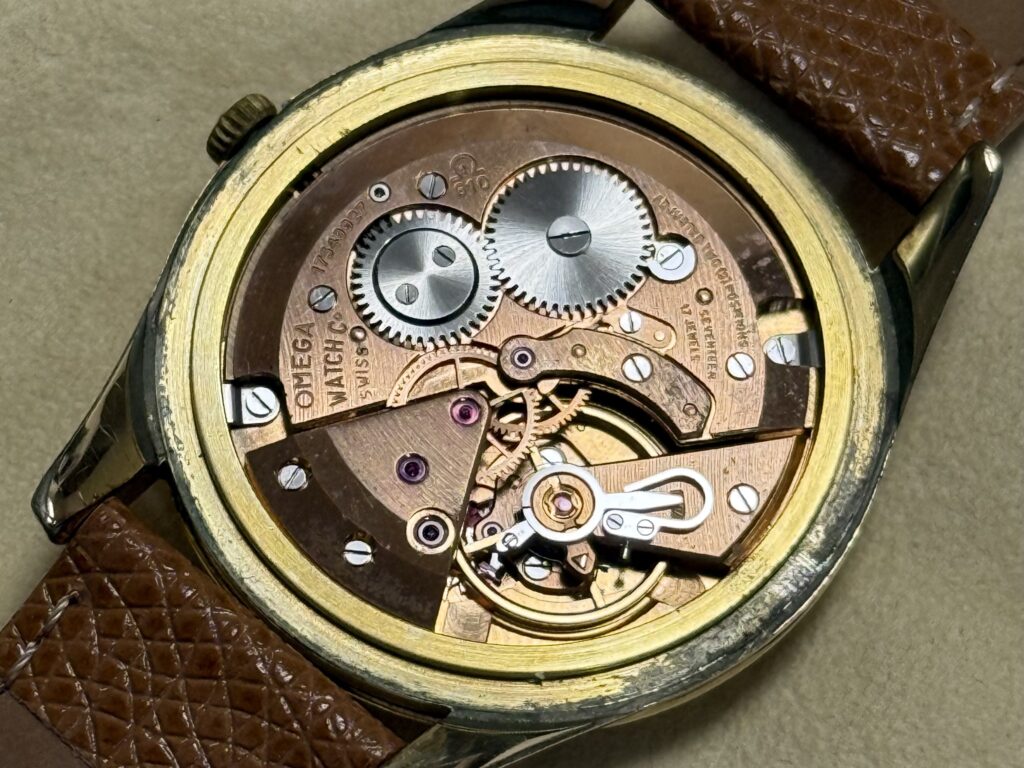
●Manual-wind You wind the crown, typically in the morning before use, and it runs for about 24 to 48 hours. Some people buying their first watch may find it a bit inconvenient, but winding the crown before starting your day, bringing your watch to life, and starting your day can feel very satisfying, and you’ll likely grow attached to it.
● Automatic Like manual-wind, it can be wound via the crown, but the key difference is that when worn daily, the watch continues running through motion and vibration from regular use.
Quartz Quartz watches are powered by a built-in battery.
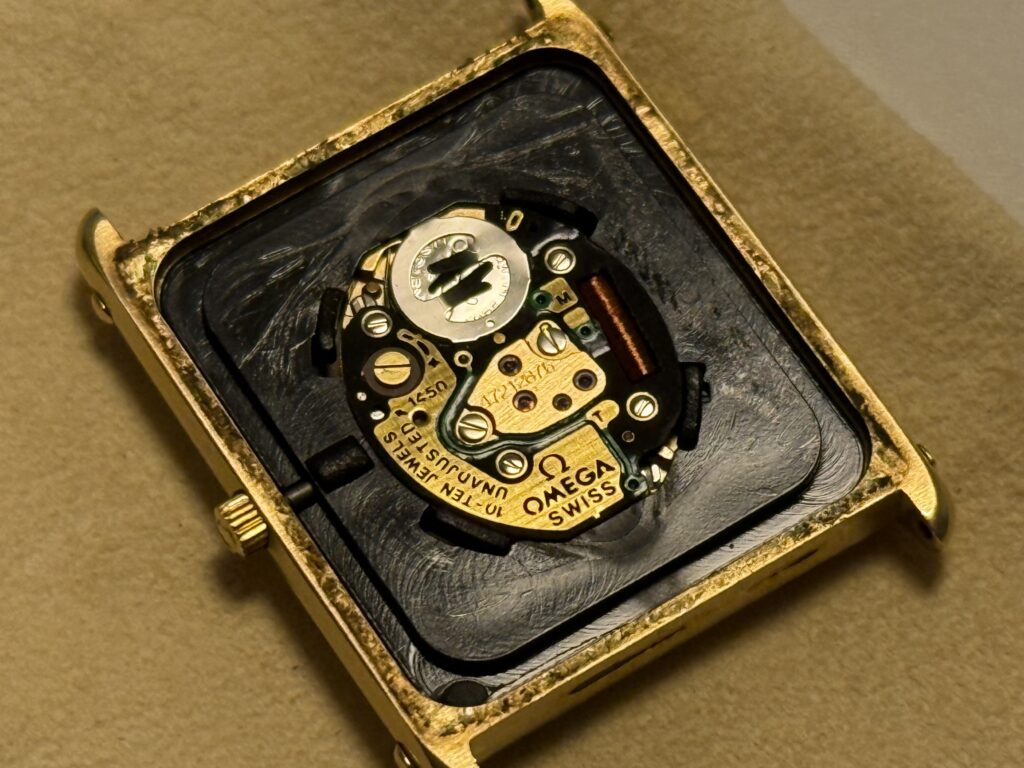
Unlike mechanical watches, there is no need to wind the crown. Considering their precision and maintenance costs, they can be very convenient depending on the use case. I mainly use mechanical watches, but even with quartz, designs with strong aesthetics can offer a very fulfilling experience.
For some people, wearing an automatic or quartz watch on workdays and a manual-wind watch on weekends or vacations can make the experience of wearing a watch feel more meaningful.
③ Size matters more than you think This is an area where relying only on photos or specifications can easily lead to unexpected results.
● Case diameter
● Thickness
● Lug length
● Weight
Balance on the wrist is important, so if possible, try it on or check multiple wrist shots. If you’re buying an expensive watch for the first time, it’s best to visit a store and try it on. If you already own a few, it might be interesting to study and find the case size that suits you best.
A watch you thought would be too small may actually fit perfectly, while a larger watch may not always feel comfortable on the wrist. Actually trying watches on your wrist helps you understand what works for you and may introduce you to styles you had not previously considered.
④ Water resistance types and how to choose
It’s important to choose water resistance based on your daily environment. The main levels are:
3 ATM (30m)
• Can handle splashes like handwashing or rain
• Safer to remove when working around water
5 ATM (50m)
• Suitable for dishwashing, car washing, light water-related tasks
• Not recommended for swimming or high water pressure
10 ATM (100m)
• Generally sufficient for everyday life
• However, it is not designed for scuba diving or high-pressure underwater use. For serious diving, choose a dedicated diver’s watch with sufficient water resistance and proper certification. Models with 200–300m (20–30 ATM) water resistance or higher are generally recommended.
Points when choosing
• It’s wiser to choose water resistance that fits your lifestyle rather than excessive specs
• Even if water-resistant, be mindful of prolonged exposure and strong pressure
⑤ Magnetism
Magnetism is an important factor to be aware of when using a mechanical watch today.
Avoid placing your watch directly on electronic devices such as smartphones, laptops, or tablets. In general, keeping a few centimeters of distance is usually enough, and there’s no need to worry too much about using electronics while wearing your watch. However, be cautious with items that generate stronger magnetic fields, such as accessories with magnets.
⑥ New, Pre-owned, or vintage
When choosing a watch, you can consider buying a new current model, a pre-owned watch, or a vintage piece.
– New
If you’re buying an expensive watch for the first time, visiting a physical store is a good way to see the actual watch and check the fit before making a purchase.
– Pre-owned
If a model is discontinued or too popular to obtain easily, buying pre-owned may be more suitable in terms of price and wait time. However, always purchase from a trusted source.
– Vintage
Characteristics and considerations of vintage watches
• Unique designs and historical background not found in current models
• Requires more careful checking of condition, service history, and authenticity than standard pre-owned
• Best to buy from trusted shops or authorized dealers
• Vintage watches offer a different kind of appeal, often featuring designs and details that are rarely found in modern watches.
Even for a first purchase, vintage is an option, but it’s important to understand maintenance and history before buying.
⑦ The strap changes everything Even with the same watch, changing the strap can significantly alter its impression.
● Leather: elegant, classic
● Metal: practical, versatile
● Nylon: casual
By changing straps based on season or mood, you can find multiple ways to enjoy a single watch.
⑨ Don’t forget maintenance
Especially for mechanical watches, regular maintenance is important for keeping them running properly over time.
• If a mechanical watch is left unworn for an extended period, occasionally running it can help keep the movement operating normally.
• Considering maintenance cost and frequency at the time of purchase helps you make the best choice.
With proper maintenance, a watch can remain reliable and enjoyable for many years.
Instead of wearing the same watch every day, rotating several watches for different occasions, such as work, weekends, or travel, can help reduce wear on watch and let you enjoy different styles.
Summary
Buying your first watch does not require knowing everything from the beginning. Understanding the differences between mechanical and quartz movements, considering water resistance and magnetism, and thinking about maintenance will help you choose a watch that fits your lifestyle.